Word Tour
- 4.6
- Rating
- 1.00M
- Installs
- Free
- Price
 Analysis by App-foxy
I went into Word Tour expecting a familiar word-search game, and that is largely what I found: a relaxed puzzle built around finding hidden words while moving through attractive travel-themed scenery. What makes it enjoyable is not a radical change to the formula, but the way it turns short vocabulary challenges into a gentle journey. I can open it for a few minutes, solve a handful of words, and put it down without feeling that I have started a demanding session.
My overall view is positive, with one important qualification. This is a good choice if you want a casual word game that feels easy to approach and gives you a steady reason to continue. It is less suitable if you want deep word strategy, a completely distraction-free experience, or puzzles that remain consistently difficult. The game sits comfortably between a simple time-killer and a light daily habit.
How the word journey feels in everyday play
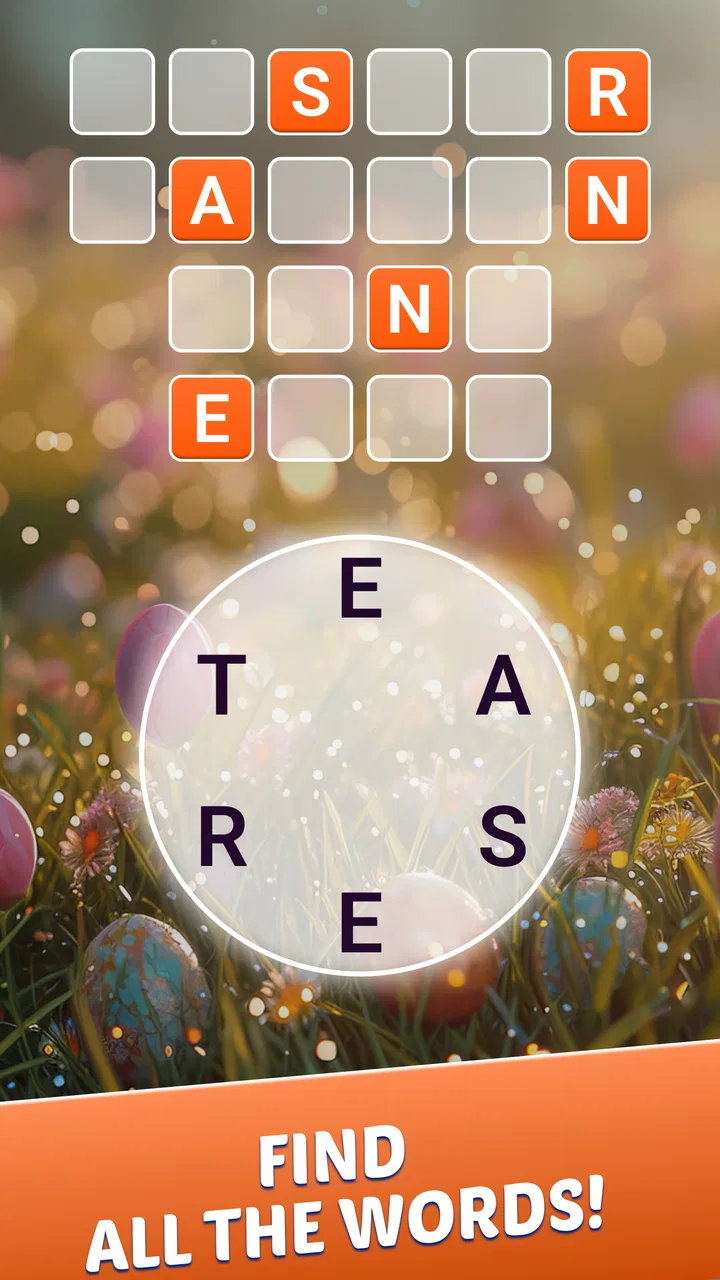
The central activity is straightforward: I look through a group of letters and connect them to form words. The simplicity is part of the appeal. There is no complicated rulebook to learn before playing, so I can begin immediately, even when I only have a little attention available. The travel presentation gives each set of puzzles more personality than a bare list of letter grids would have.
You May Also Like

 Blood Strike: 2.5 Anniversary
Blood Strike’s Loadouts Turn Every Drop Into a Tactical Gamble
A close look at Blood Strike’s custom loadouts: how fast access to signature weapons reshapes its battle royale rhythm, rewards preparation, and narrows the gap between fights.

 Pandora - Music & Podcasts
Pandora’s Music Is Easy to Start, but Harder to Recover
Pandora’s strength is its low-effort path from a seed to a station. Its weak spot is how much confidence it asks you to place in connection, setup, and quiet recovery.

 8 Ball Pool
 Is Built on Rivalries, Rematches, and Routine
A close look at the rivalries, rematches, shared routines, and unanswered safety questions that turn a quick pool match into a persistent mobile community.

 Samsung Music
’s Quiet Strength Is Playing What You Already Own
Its reach comes less from spectacle than from dependable access to a personal library. That simplicity is both the app’s strongest retention engine and its ceiling.

 AccuWeather: Weather Radar
AccuWeather Review: A Quick, Clear Forecast for Everyday Decisions
For everyday plans, the best forecast is the one you can understand quickly. AccuWeather makes rain timing, radar, and local conditions easy to act on, with a few trade-offs.

 Hill Climb Racing
Why Hill Climb Racing Still Turns Crashes Into One More Run
A tiny car, a bumpy hill and one more upgrade: Hill Climb Racing keeps resurfacing because its simple chaos makes every near-miss feel personal.
More From Our News Desk



I found the strongest use case during small gaps in the day. On a bus ride, while waiting for an appointment, or during a short break from work, the game gives me something more engaging than scrolling but less demanding than a full-length game. A puzzle can be approached as a quick mental reset rather than a commitment to a long session.
That accessibility also makes it suitable for different age groups. It carries an Everyone content rating, and the basic idea is clear enough for a casual player who does not normally play mobile games. Someone who enjoys crosswords, anagrams, or word searches will understand the attraction quickly, while a newcomer can learn through play rather than instructions.
PlaySimple Games has kept the presentation focused on the word activity instead of burying it beneath a complicated interface. The result feels approachable, although players who prefer a minimalist puzzle board may find the journey theme more decorative than necessary. I personally like having a visual setting, but I would not choose this game for the scenery alone; the letter challenges need to hold my attention, and they do most of the work.
The best part is the low-pressure rhythm
What I appreciate most is the rhythm between looking, testing a word, and receiving the satisfaction of a correct answer. The game encourages me to notice common words first, then search for less obvious combinations. That creates a small sense of discovery without requiring the intense concentration of a competitive word contest.
A useful habit is to avoid immediately trying to solve every visible possibility. I usually scan for short, familiar words, then examine the remaining letters for longer combinations. If I get stuck, changing my visual focus helps more than repeatedly tapping random sequences. I look for common beginnings and endings, then consider whether a word can be formed by rearranging the letters I have not used.
This approach makes the game more thoughtful than it may appear at first. The challenge is not only knowing vocabulary; it is also noticing patterns and managing attention. I would not call the puzzles a serious language lesson, but they can still encourage players to think about spelling and word structure in a relaxed way.
Another practical tip is to treat the bonus discoveries as a reason to explore rather than as the only goal. When I find a word that does not seem to be part of the immediate solution, trying it can add a welcome extra moment of curiosity. That makes a familiar puzzle feel less mechanical, especially when I am playing slowly instead of racing through a level.
Why the presentation matters, and where it does not
The landscape-focused design gives the game a sense of progression. Even when the underlying action remains similar, moving through different visual settings helps prevent the experience from feeling like one endless worksheet. This is a smart fit for a casual word title because the scenery supplies variety without making the controls harder to understand.
Still, players should set realistic expectations. The visual journey does not transform the word-search format into an adventure game with exploration in the usual sense. The main reason to continue is solving puzzles, while the environments provide context and atmosphere. If you want a game with a story, character development, or action between puzzles, this will feel limited.
I also think the scenery works best when I play in short sessions. In a long sitting, the repeated structure becomes more noticeable. The game is designed for a steady stream of small victories, not for a single dramatic challenge. That distinction is important when deciding whether it belongs on your phone.
Difficulty, vocabulary, and the point where it may lose you
The accessible format comes with a trade-off: the game can feel too gentle for experienced word-game players. I enjoy the early sense of flow, but players who regularly solve difficult crosswords or compete in demanding anagram games may want more resistance. Word Tour is better at maintaining momentum than at delivering a consistently punishing test.
Difficulty can also feel personal. A puzzle that is easy for someone with a broad English vocabulary may be slower for a learner, while a common word in one player’s everyday speech may not immediately occur to another. I would not use the game as a formal measure of language ability. It is entertainment first, and its word selection should be approached with that expectation.
When I am stuck, I try a structured search instead of guessing without a plan. I check the shortest plausible words, look for familiar suffixes, and then revisit the unused letters. This is more satisfying than relying on help immediately because it turns the difficult moment into a small reasoning exercise. It also reveals whether my problem is vocabulary or simply overlooking a letter path.
That said, the game’s casual design means some players may eventually settle into a predictable routine. If your favorite word games are built around unusual definitions, strict time limits, or strategic tile management, this offers a softer alternative rather than a replacement. I would keep both types available for different moods.
How it compares with familiar word-game alternatives
Compared with a traditional crossword, this game is easier to enter because I do not need to interpret clues or maintain a large grid of crossing answers. The trade-off is that it generally offers less semantic depth. A crossword asks me to understand a clue and retrieve a precise answer; this game asks me to recognize possible letter combinations. I choose Word Tour when I want quick flow, not when I want a long problem to unpack.
Compared with a classic word-search puzzle, it feels more directed. A printed word search usually gives me a fixed list and asks me to locate words in a grid, while this format puts more emphasis on forming words from available letters. That makes each answer feel more active, although people who love scanning large grids may prefer the traditional version.
Compared with competitive word games, it is calmer and less socially demanding. I do not need another person online to make the session worthwhile, and I can play at my own pace. The downside is that players seeking head-to-head pressure or a strong competitive ladder may find the experience too solitary.
It also differs from purely offline puzzle books in convenience and presentation. A phone can keep the game ready for those spare minutes when carrying a book is impractical. However, anyone who wants zero digital distractions may still prefer paper. For me, the right choice depends on whether I want a polished, guided journey or a quiet page with no surrounding game framework.
What the free entry means for a long-term player
The game is free to start, which makes it easy to test without making an immediate commitment. That matters for a casual title because the main question is not whether I understand the concept, but whether the repeating puzzle rhythm suits me. I would recommend trying several sessions before deciding whether it deserves a permanent place on the phone.
There are in-app purchases ranging from $0.99 to $99.99 per item. For me, that is the most important point to consider before settling into regular play. A free download can still become expensive if I treat optional purchases as part of every session, so I would set a personal spending limit and avoid buying simply because I am impatient with a difficult puzzle.
This is also where the game may not be right for everyone. If you prefer a single upfront purchase with no temptation to spend during play, a paid word app or a physical puzzle book may be a better fit. If you are comfortable treating purchases as optional and can enjoy the core activity without needing extras, the free entry is more appealing.
I also recommend checking how the game fits your own attention habits. Its short-puzzle structure can be a pleasant break, but it can just as easily become another app I open automatically whenever I have a spare moment. That is not a flaw unique to this title, yet it is worth noticing. I get the most from it when I choose a small session intentionally rather than letting it fill every pause in the day.
Who will enjoy it most
I would point this game toward people who like word puzzles but do not want a heavy, academic experience. It works especially well for players who enjoy scenic presentation, gradual progress, and challenges that can be completed in small pieces. Families may also find it approachable because the basic interaction is easy to explain, although individual vocabulary levels will naturally affect how comfortable each person feels.
It is a sensible option for a commuter, a casual mobile gamer, or someone looking for a calm alternative to action games. I can imagine recommending it to a friend who says they want to exercise their vocabulary casually but does not want a strict study app. The game gives that person a reason to think about words without turning the experience into homework.
Language learners may find it useful as light exposure to spelling and common vocabulary, but I would not rely on it as a complete learning tool. It does not replace exercises that explain meanings, pronunciation, grammar, or usage. I would use it alongside a proper learning method, treating the puzzles as a playful review rather than a lesson plan.
On the other hand, I would steer away players who need constant novelty, demanding expert-level puzzles, or a competitive social environment. The game’s strength is its comfortable consistency, and that same consistency can feel repetitive to someone who wants every round to introduce a new rule.
Device fit and practical expectations
The game supports Android devices running version 8.0 or later, so compatibility is broad enough for many people using older phones as well as newer models. I still prefer to judge the experience on my own device rather than assuming every phone will feel identical. Screen size, touch responsiveness, and personal comfort can change how pleasant a letter puzzle feels.
The current version is 1.144.0, and the game has been available since May 31, 2024. It has reached over a million installs, with an average rating of 4.7 from around fifteen thousand ratings and roughly 1.8 thousand written reviews. Those figures suggest that the format has found a substantial audience, but they do not remove the need to consider the individual trade-offs around repetition and purchases.
Because the game is rated for Everyone, it is easier to consider for a shared household device than a title aimed at older players. I would still make sure younger players understand that optional purchases exist, particularly if they use a phone or tablet that is not exclusively managed by them. The rating describes the audience suitability, not whether every player will enjoy the same difficulty or spending model.
My final recommendation
After spending time with it, I see Word Tour as a polished casual word game whose main achievement is making a familiar activity easy to return to. The scenic journey adds warmth, the letter challenges are simple to understand, and the short-session format fits real life. I like that I can play thoughtfully when I have time or casually when I only need a brief diversion.
My reservation is that the same approachable design may not satisfy players who want demanding vocabulary tests or a strong sense of strategic growth. The in-app purchase range also means I would approach the free model carefully rather than assuming the entire long-term experience will suit every budget. Those are meaningful limitations, not reasons to dismiss the game.
My recommendation is clear: try it if you want a relaxed word journey with attractive surroundings and bite-sized puzzles. I would choose a crossword app for clue-solving depth, a competitive word game for pressure, or a paper puzzle book for a distraction-free experience. For everyone in between, especially someone looking for a friendly game to play during everyday gaps, PlaySimple Games has made a convincing and easy-to-start option.
FAQs for Word Tour
01What is Word Tour and how does it work?
Word Tour is an engaging word puzzle game that takes you on a virtual journey across different cities and countries. As players progress, they solve word puzzles by connecting letters to form words. Each level is themed around a specific location, providing a unique blend of entertainment and learning. The game is designed to challenge your vocabulary skills while offering a visually delightful experience.
02Is Word Tour free to play, or does it have in-app purchases?
Word Tour is free to download and play, but it includes optional in-app purchases. These purchases can enhance the gameplay experience by offering additional hints, removing ads, or unlocking new levels. Players can enjoy the game entirely for free, but the purchases are available for those who want to progress faster or enjoy an ad-free experience.
03What devices are compatible with Word Tour?
Word Tour is available for both Android and iOS devices. To ensure a smooth gaming experience, it is recommended to have a device running Android version 5.0 or higher, or iOS 10.0 or later. The game is optimized for smartphones and tablets, providing a seamless experience across different screen sizes.
04Does Word Tour require an internet connection to play?
Word Tour can be played offline, making it a perfect game for travel or areas with limited internet connectivity. However, certain features, such as downloading new levels or participating in special events, may require an internet connection. Playing offline allows you to enjoy the core game without interruptions.
05Are there any age restrictions for playing Word Tour?
Word Tour is suitable for players of all ages, but it is particularly designed for those aged 6 and above due to its vocabulary challenges. The game is family-friendly and can be an excellent educational tool for children, helping them improve their language skills in a fun and engaging way.
Pros
- Engaging word puzzles for all ages.
- Beautiful
- intuitive interface design.
- Offline mode available for travel.
- Regular updates with new levels.
- Boosts vocabulary and language skills.
Cons
- In-app purchases can be pricey.
- Occasional ad interruptions.
- Limited hints without purchase.
- Some puzzles feel repetitive.
- Requires frequent internet updates.

Word Tour
Gallery